Does Pure Power Frequency Matter?

Yes, Power Frequency Matters
Power frequency, also known as mains frequency, is the standard frequency at which alternating current (AC) electrical power is generated and distributed in most parts of the world.
This frequency forms the foundation of how electrical systems operate. Every piece of equipment connected to the grid is designed with the expectation that this frequency remains stable and predictable. When it does, power flows efficiently and equipment operates as intended.
When power frequency deviates due to internal harmonic distortion and non-linear loading, electrical systems become less efficient, internal temperatures rise, and equipment life is reduced.
Understanding Power Frequency: 50 Hz vs 60 Hz
The two most common power frequencies used around the world are 50 Hz and 60 Hz, depending on geographic region. For simplicity, this explanation uses 60 Hz, which is standard in North America.
Power Frequency as a Sine Wave
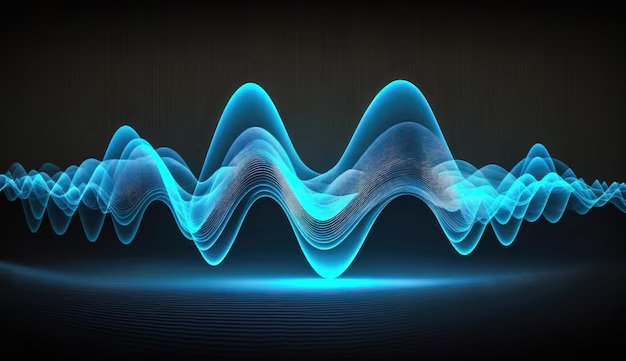
Power frequency is characterized by a sine wave, which represents the alternating voltage or current flowing through an electrical circuit.
- A sine wave is a smooth, periodic waveform
- It alternates continuously between positive and negative values
- This shape is fundamental to how AC power is generated, transmitted, and used
Periodicity of a 60 Hz System
In a 60 Hz power system, the sine wave completes 60 full cycles per second.
- One full cycle moves from:
- Maximum positive value
- To zero
- To maximum negative value
- And back to zero
- This entire cycle occurs in 1/60th of a second
This precise repetition is what allows electrical equipment to operate predictably and safely.
Voltage and Frequency Relationship
The voltage level of a power system is typically standardized by region.
- Common examples include:
- 120 volts in North America
- 230 volts in many other parts of the world
While voltage levels may vary, frequency remains constant:
- 60 Hz in North America
- 50 Hz in many other regions
Electrical equipment is designed around both the expected voltage and the expected frequency.
Steady and Reliable Power: Why Frequency Matters
Power frequency is carefully controlled and maintained by utilities to ensure a steady and reliable supply of electricity to homes, businesses, and industrial facilities.
This stability is typically monitored using a standard power factor metric. However, power factor represents only part of the picture.
While the utility delivers a clean and steady base frequency to your facility, the complex utilization of power behind your four walls introduces harmonic disruptions.
Harmonics and Internal Power Degradation
Non-linear loads inside a facility create harmonic distortion that alters the original sine wave.
- Harmonic “noise” introduces inefficiencies into the electrical system
- These inefficiencies lead to:
- Increased and unnecessary energy consumption
- Elevated internal heating
- Accelerated equipment aging and reduced service life
Deviations from the standard 60 Hz or 50 Hz design frequency can directly impact the performance and longevity of electrical equipment.
Assessing Power Frequency Inside Your Facility
Have you assessed the harmonics and power frequency behind the four walls of your facility?
There is a high probability that your internal power environment is operating outside of its pure 60 Hz or 50 Hz design.
XCT Energy consistently identifies opportunities to reduce energy consumption by deploying the world’s most advanced Power Tuning platform, restoring power inside the facility back to its purest designed frequency and reducing harmonic-driven inefficiencies.